How to Decorate a Rental Apartment Without Losing Your Deposit
Renting an apartment creates an apparent contradiction: you spend significant time in the space, it significantly affects your daily quality of life, yet you're prohibited from making the permanent changes that would make it truly yours. Painting walls, installing fixtures, hanging art with large bolts — all of these come with deposit implications or explicit lease prohibitions.
The good news is that the gap between "rental-appropriate" and "beautifully designed" is much smaller than most renters believe. With the right approach and the right tools, a rental apartment can feel as personal and considered as an owned home — without risking a dollar of your deposit.
The Renter's Design Toolkit
Command hooks and strips have transformed rental decorating. The 3M Command range in particular offers hooks, picture-hanging strips, and adhesive fasteners capable of supporting significant weight — enough for art, mirrors, shelving brackets, and even curtain rods — without drilling or damaging walls. The key is following the instructions precisely: clean the surface, allow the adhesive to set for the specified time, and stay within the weight limits. Removed correctly, they leave no mark.
Removable wallpaper (also called peel-and-stick wallpaper) has improved dramatically in quality. Modern versions are repositionable, removable without wall damage, and available in designs that range from sophisticated prints to wood-grain textures to painterly patterns. A single accent wall covered in removable wallpaper transforms a room without any permanent change. This is one of the most impactful single changes available to renters.
Removable tiles — adhesive-backed tiles designed for backsplashes and floors — allow kitchen and bathroom updates without permanent installation. Peel-and-stick backsplash tiles can make a tired rental kitchen look intentionally designed. Floor tiles designed for vinyl or tile placement can cover an ugly bathroom floor. Both remove cleanly when it's time to leave.
Furniture arrangement is entirely within renter control and has an enormous impact on how a space feels. Most rental apartments are furnished (or left empty) with furniture pushed against the walls — the arrangement of last resort rather than considered design. Floating furniture, creating conversation zones, and using area rugs to define distinct spaces within an open-plan layout can make a rental apartment feel genuinely designed rather than merely occupied.
Textiles over surfaces are a renter's best friend. A rental kitchen with white laminate countertops and generic hardware becomes more personal with a beautiful runner rug, a wooden cutting board left on the counter as a design element, matching ceramic canisters, and a few fresh herbs in consistent pots. None of these involve any permanent change. All of them significantly affect the feeling of the space.
Freestanding shelving bypasses the prohibition on wall-mounted storage. A beautiful freestanding bookshelf, a ladder shelf, or a modular shelving unit can provide storage, display space, and vertical interest without requiring a single screw in the wall. In rental apartments with blank walls and no built-in storage, freestanding shelving is often the single most impactful furniture investment.
Lighting upgrades within rental rules are more available than most renters realize. The prohibition is typically on changing fixtures — not on adding lamps or changing bulbs. Swapping the standard incandescent or harsh LED bulbs that come in most rental fixtures for warm, lower-wattage bulbs immediately changes the ambiance. Adding floor lamps, table lamps, and even battery-powered sconces creates the layered lighting that distinguishes a designed room from an occupied one.
Curtains, hung from Command rod brackets or freestanding curtain stands, can transform the character of a room. Rental apartments frequently have either no window treatments or inexpensive blinds. Adding floor-length curtains in a material and color that fits your design vision — linen, velvet, cotton canvas — changes the scale and warmth of every room they're in.
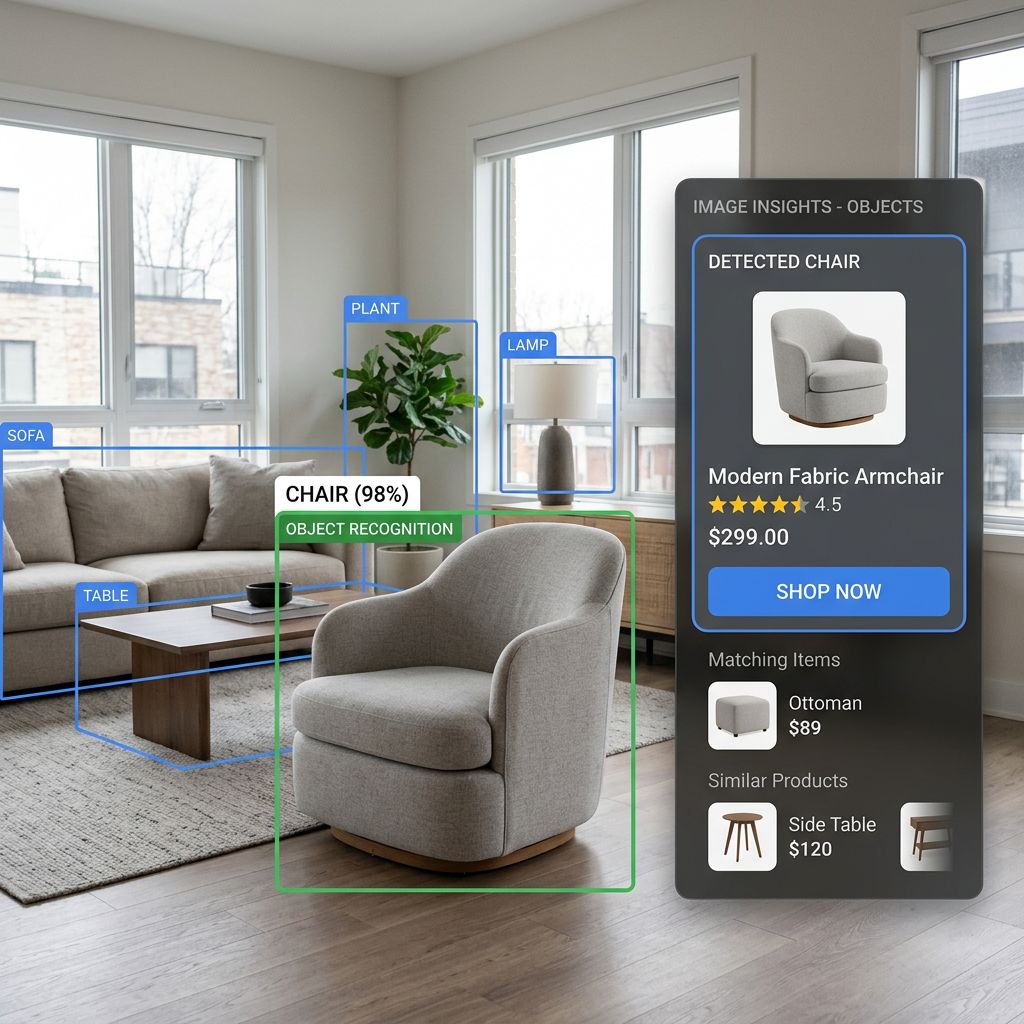
Using AI Room Design for Rental Planning

Upload your rental apartment photos to AI Room Decor, generate redesigns in your target style, and use the outputs to identify which changes will have the most impact for your specific space. The visualization shows you whether a dark rug would make your room feel dramatic or depressing, whether removable wallpaper on one wall would add character or visual chaos, whether a particular furniture arrangement would open up the space or crowd it.
Renters who use AI room design before executing their plans make fewer expensive mistakes and achieve better results — because they're working from a specific visual target rather than general inspiration.
The rental apartment https://airoomdecor.app/free doesn't have to be a compromise between living in a beautiful space and protecting your deposit. With removable products, considered furniture choices, thoughtful textiles, and AI visualization to plan before acting, a rental can feel as designed and personal as any owned home.